

Botswana’s digital transformation will depend not only on the infrastructure that connects the country, but also on the people equipped with the skills to turn technology into opportunity.
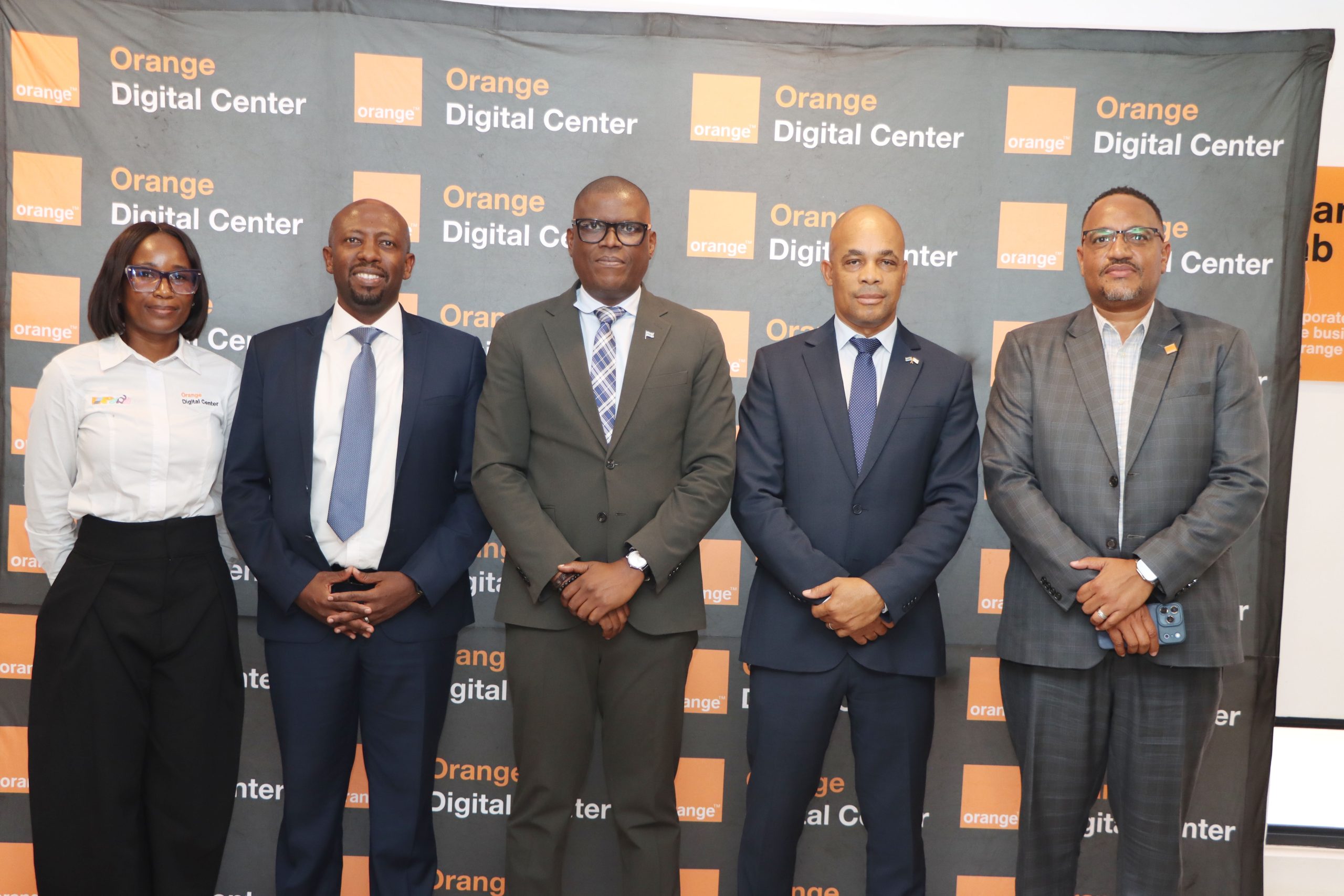
This was the central message as Minister of Communication and Innovation, David Tshere, visited Orange Botswana’s Data Centre and Orange Digital Center (ODC), exploring opportunities for closer collaboration between government and the telecommunications company to accelerate the country’s digital ambitions.
The visit brought together two critical elements of the digital economy: the technological infrastructure powering connectivity and the innovation programmes preparing young people, entrepreneurs and underserved communities to participate in an increasingly digital world.
For Orange Botswana, the engagement reaffirmed its commitment to advancing digital inclusion while strengthening partnerships that can translate the national digital transformation agenda into tangible opportunities for Batswana.
At the Orange Botswana Data Centre, Tshere and his delegation were welcomed by Acting Chief Executive Officer Gobe Mbayi, before Data Centre Manager Tshepo Mongalo led a tour of the facility.
The delegation was shown how the infrastructure supports connectivity, business continuity and the delivery of digital services to individuals, businesses and public institutions.
Beyond the technical operations, the visit highlighted the importance of reliable digital infrastructure in supporting economic activity, enabling businesses to operate efficiently and creating an environment in which innovation can thrive.
However, as the delegation discovered at the Orange Digital Center, the country’s digital ambitions extend beyond infrastructure to ensuring that more people have the skills and opportunities to benefit from technological advancement.
Turning digital skills into economic opportunities
At the ODC, the focus shifted from the infrastructure powering the digital economy to the people who will shape its future.
Modiri Nlanda, Director of People and Social Impact, outlined the Orange Foundation’s digital inclusion initiatives and the impact of its outcome-based training programmes.
According to the presentation, the initiatives had reached more than 9,400 people through 70 programmes during the year, with women accounting for 57 per cent of those reached.
The programmes have extended beyond Gaborone to communities in Borolong, Francistown, Selibe Phikwe, Serowe, Kweneng and surrounding areas, demonstrating an effort to widen access to digital skills and reduce barriers to participation in the digital economy.
The scale of the outreach highlights the growing importance of digital literacy and practical technology training in preparing citizens for changing employment demands, entrepreneurship and emerging economic opportunities.
ODC Manager Obakeng Kokwe presented the centre as an integrated innovation ecosystem designed to take participants beyond basic training and help them develop ideas, build solutions and explore entrepreneurial opportunities.
Through its Coding School, participants acquire software development skills, while the FabLab provides opportunities for prototyping and fabrication.
Orange Fab supports early-stage startups, helping entrepreneurs navigate the journey from an idea to a potential business, while partnerships with other players in the innovation ecosystem create opportunities for collaboration and growth.
Supported by the Orange Foundation, the centre offers its programmes free of charge, with a focus on young people, entrepreneurs and underserved communities.
The approach positions the ODC as more than a training facility. It is a platform through which digital knowledge can be translated into practical capabilities, innovation and potential economic participation.
Innovation that goes beyond the classroom
The delegation also witnessed how digital skills can produce practical results through a project presented by Senior Digital Embroidery Trainer Opelo Letshwiti.
The project, completed by trainees in collaboration with the Tlokweng Brigade, demonstrated how technical training can translate into tangible products and practical applications.
The presentation offered a glimpse into how digital skills can be applied beyond conventional technology careers, opening possibilities in creative industries, production and entrepreneurship.
Tshere also heard about the Orange Summer Challenge and the Orange Social Venture Prize, initiatives that encourage innovation and support the development of solutions to social and economic challenges.
Conversations with ODC beneficiaries provided an opportunity to hear directly from participants about their experiences and the value of the training programmes.
For a country seeking to expand its digital economy, such initiatives demonstrate the importance of linking skills development with practical experience and opportunities to apply knowledge.
Government and Orange explore stronger partnership
Tshere acknowledged the work being undertaken by the Orange Digital Center and indicated that the Ministry could play a role in supporting its initiatives and facilitating partnerships.
Discussions touched on the National Research and Innovation Council, Botswana’s technology clusters and opportunities to strengthen cooperation between government and Orange Botswana.
The engagement pointed to the potential for closer alignment between public-sector priorities and private-sector investments in digital skills, innovation and entrepreneurship.
Such collaboration could help connect existing initiatives with broader national ambitions, creating opportunities to expand digital training, support emerging innovators and strengthen the country’s innovation ecosystem.
For Orange Botswana, the opportunity lies in working more closely with government and other stakeholders to extend the reach and impact of programmes already operating across the country.
Mbayi said the company saw significant scope to deepen collaboration with the wider ecosystem, including schools, startups and other institutions.
“Partnership is how we reach further. We see room to do more with the ecosystem, from schools to startups, and we welcome the Ministry’s guidance on where to begin,” he said.
Mbayi also highlighted the company’s corporate social responsibility initiatives, including the Digital Schools Programme, through which Orange Botswana provides digital content to schools.
The programme reflects the importance of introducing digital resources into the learning environment and expanding opportunities for learners to engage with technology.
Building a digitally inclusive Botswana
Nlanda said the relationship between infrastructure and skills development was central to creating meaningful opportunities in the digital economy.
“Infrastructure creates the possibility, and skills turn it into opportunity. At the ODC we see young people and entrepreneurs build capabilities that carry directly into the economy,” he said.
He added that the Orange Foundation would continue investing in digital inclusion while welcoming opportunities to work with government to extend its reach across the country.
“Through the Orange Foundation we will keep investing in digital inclusion, and we welcome the chance to work with government to extend this reach across the country in support of the national digital transformation agenda,” Nlanda said.
The discussions reinforced the importance of combining technological investment with skills development, school programmes and support for entrepreneurs if digital transformation is to deliver benefits across society.
As Botswana advances its digital ambitions, partnerships that connect infrastructure, education and innovation could prove increasingly important in ensuring that technological progress translates into wider economic and social opportunities.
