

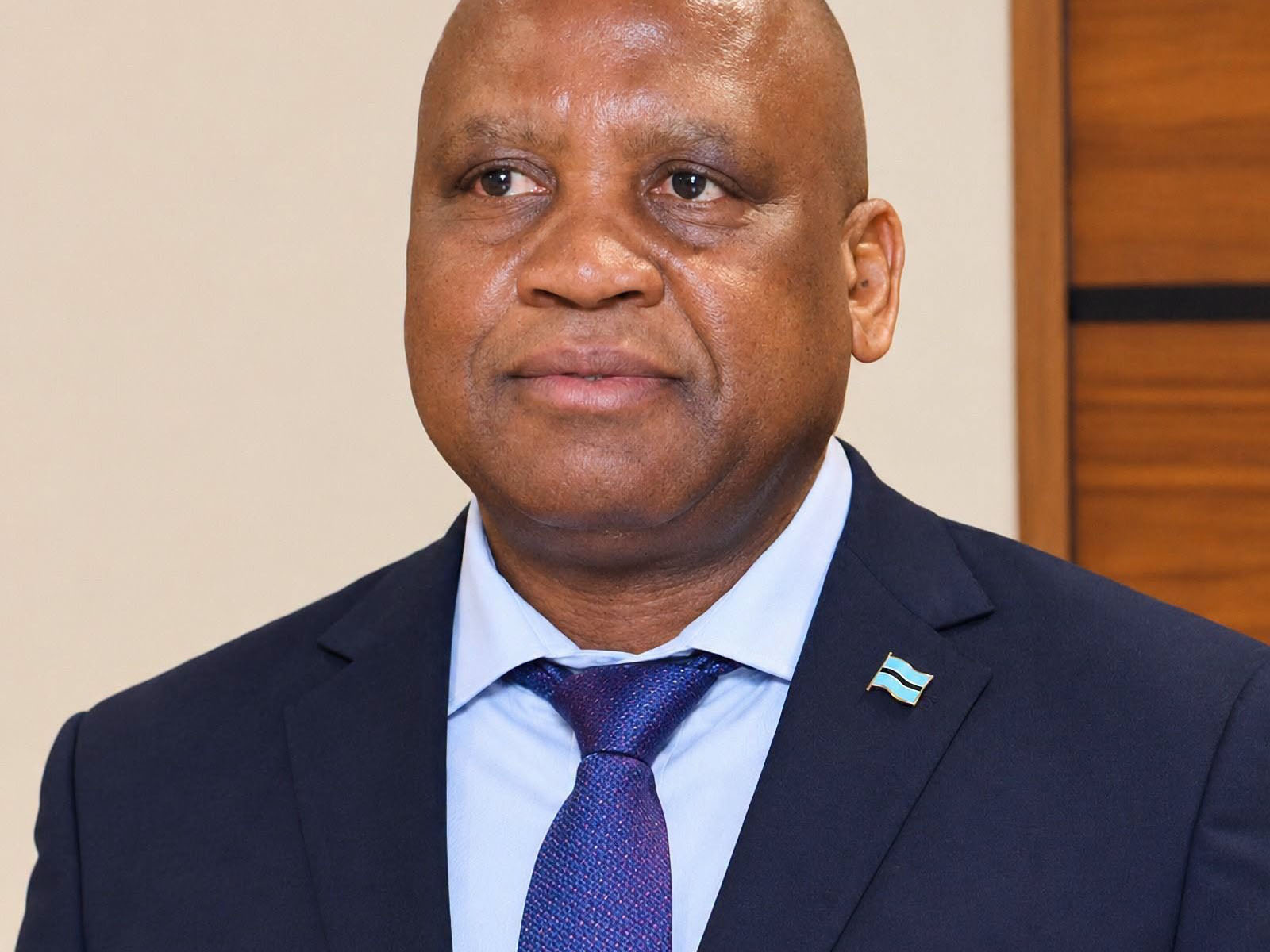
Professor Lekoko Sylvester Kenosi’s appointment as Director General of Botswana’s Directorate of Intelligence and Security (DIS) effective today has introduced an interesting dimension to intelligence leadership in Southern Africa.
His profile is particularly distinctive because it combines military service, academic scholarship, information governance, international institutional leadership and diplomacy. Unlike the conventional security-sector career path associated with many intelligence chiefs, Kenosi’s professional journey has been largely shaped by academia, strategic information management and international administration.
A comparison with intelligence leaders in the SADC region reveals that there is no single formula for producing an effective intelligence chief. Some leaders emerge from military and intelligence operations, others from law enforcement, diplomacy, public administration and political leadership.
South Africa – Ambassador Tony Gab Msimanga
South Africa provides an interesting comparison because of its emphasis on diplomatic and administrative experience in intelligence leadership.
Msimanga has served as an acting Director General of the State Security Agency. The South African Presidency has previously recognised his contribution to stabilising the agency during a period of leadership transitions.
The country also previously appointed Ambassador Thembisile Majola as SSA Director General in 2022. Her experience included serving as Deputy Minister of Energy, ambassador to five African countries and Deputy Coordinator of the National Intelligence Coordinating Committee.
This illustrates South Africa’s willingness to draw on diplomacy, government administration and security coordination when appointing intelligence leadership.
Namibia – Rear Admiral Sinsy Nghipandua
Nghipandua represents the traditional military-security leadership pathway.
He served as commander of the Namibian Navy from 2017 until his retirement in 2020 before being appointed to lead the Namibia Central Intelligence Service in 2025.
His military experience gives him exposure to command structures, defence strategy, operational discipline and national security coordination.
Compared with Kenosi, Nghipandua has a stronger publicly documented military command background, while Kenosi has a more extensively documented academic and information-management profile.
Mozambique – José Pacheco
Pacheco’s appointment is another example of an intelligence chief whose strength lies in broad government and political administration rather than a conventional intelligence career.
He previously served as Minister of Interior, Minister of Agriculture and Minister of Foreign Affairs. He was also Governor of Cabo Delgado.
His experience is particularly relevant given Mozambique’s security challenges, including the insurgency in Cabo Delgado.
Academically, he has an engineering background and pursued studies at Wye College in the University of London system, as well as universities in Minnesota and Wisconsin-Madison.
Pacheco brings extensive political, diplomatic and internal security administration experience. Kenosi, however, has a more advanced publicly documented academic qualification in information sciences and specialised information governance.
Zimbabwe – Paul Chikawa
Chikawa brings an interesting combination of diplomacy and intelligence exposure.
He previously served as Zimbabwe’s ambassador to China and Cuba and has reportedly held positions within the country’s intelligence structures, including as a deputy director-general.
His academic background includes a Bachelor of Science in Politics and International Relations from the London School of Economics.
His international diplomatic experience provides an understanding of geopolitical relationships, foreign policy and international cooperation.
Compared with Kenosi, Chikawa’s publicly documented experience is more closely associated with diplomatic and intelligence structures, while Kenosi’s is more heavily rooted in academia, research and information management.
Malawi – Major General Blaise George Saenda
Malawi’s appointment of Major General Saenda represents the military-oriented approach to intelligence leadership.
He was sworn in as Director General of the National Intelligence Service in April 2026, with President Peter Mutharika emphasising the importance of professional intelligence and the protection of national interests.
His military background provides experience in command, discipline and security-sector administration.
